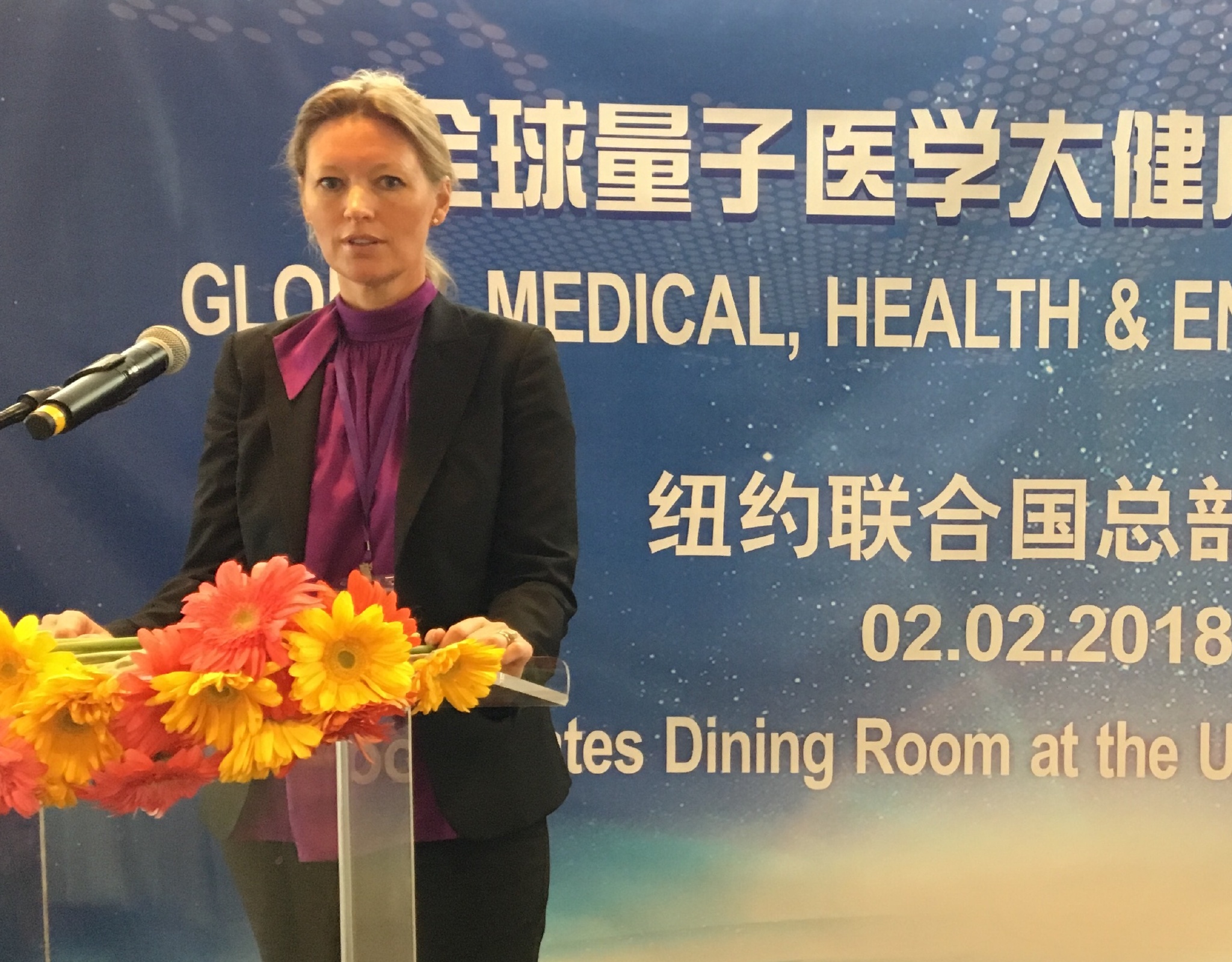
据 卫生组织的调查显示:全球约有92%的人暴露在不健康的空气中,而由空气污染引起的疾病会导致每年700多万人死亡,这其中以妇女、儿童和老人尤其受其影响,空气污染已成为影响全球环境与人类健康的 大威胁。为了减少空气污染对环境及健康的危害,Blueair全球企业传播与可持续发展总监Sara Alsén,在近期的联合国医疗健康与环境论坛上呼吁,将洁净空气添加到#联合国可持续发展目标#之中,从而鼓励更多政府和部门参与到改善室内外空气环境的行动中。
相关BLUEAIR pdf档案地址:http://www.butair.com/down/201802/195.html
以下由Blueair(布鲁雅尔)空气净化机中国销售租赁官网翻译:
刚刚过去的2018年2月2号,首届联合国举办的全球医疗与环境论坛在美国纽约市成功举行。在本次联合国的活动项目中,全球空气净化器解决方案领跑者-blueair空气净化器相关人员呼吁国际社会众人更多地关注空气质量, 洁净空气 项目加入到可持续性发展目标当中,让更多的人了解并关心身边的空气质量。
在全球卫生与环境的高端访谈中blueair可持续发展主管Sara Alsén说:"空气污染严重危害人类的生存及健康,影响粮食及其它食品安全,阻碍经济发展,并导致相关的气候产生变化,每年因严重的空气质量问题导致700多万人过早死亡。为了达成鼓励多个不同部门的合作,解决室内及室外的污染问题,改变 上90%的人的呼吸环境,联合国应该把 洁净空气项目 列为一个可持续性发展的目标,让更多的国家加入。"
依据相关资料显示,空气污染是全球健康的一个严重威胁, 可靠的数据来源于 卫生组织,他们曾经报告中提到,空气污染是 上 大的环境健康威胁。 上90%的人口是处于空气不健康的环境中生活及工作。每年700多万人死亡,近370万是由室外空气污染相关 疾病引起的。超过430万是由室内空气质量差而引起的。呼吸道 为脆弱的人群:老人,儿童,妇女尤其受影响。
目前联合国的可持续性发展项目有干净的水和洁净的能源,目前还不包含洁净的空气。可持续性发展应该关注于全球热点的问题及项目,在包含贫困。教育,性别平等,清洁的水源和卫生设施,洁净的能源等的同时,还应该更加着力于关注环境,关注空气质量,以帮助减少海洋污染,减轻对生态系统和生物多样性的影响。只有 根本的生存环境有可持续发展的未来时,。城市及社会才会有可持续性发展,所以我们应该有明确的目标改善空气质量。目前所有的可持续性目标都没有解决 大的生存环境的大问题。即室内室外的空气污染。
对于室内环境质量,做为一位供职于空气净化器的人来讲,对有着非常清楚的了解。那我们就来说说室内空气污染。室内空气污染其实比室外污染指数高了5倍左右。从油漆,建筑材料,清洗用品,服装和家具中产生的有毒有害的化学物质。及其它一些通过空气流通进入室内环境的其它污染物。在低收入和中等收入国家,全球约有30亿人仍然在使用木头,农作物废料,木炭或是煤来做饭及取暖。所有这些使用物在加热都会产生非常高浓度的微小烟尘PM颗粒,这些细小肉眼看不到的微粒可以渗透到肺部细胞中,进入血液并导致大量的疾病。对于一些长期呆在室内的妇女,儿童,老人,因他们的免疫能力更低,呆在家里的他们是非常容易因空气质量问题生病的。
而把洁净的空气做为一个可持续性发展的目标的话,可以很好有效地推动商业,能够让政府部门更加地重视,能够很好地促进政府,企业,学术界及民间的团体在空气领域的投资,研究及变革。如果成为可能。更多的国家会采用理清洁,更少污染的生活能源,以保护妇女,老人,儿童免受呼吸问题的影响。并可以以此做为契机,设定全球统一的空气质量标准,更好的监测学校及公共场所的室内空气质量。制定相关的空气质量法规,完善环境保护机制。并更高效地教育儿童保护环境,保护空气,有污染排放需求的企业会研究更好的污染物排放技术和使用更清洁的燃料。
英文原文:
New York, 2 February 2018: Today, at the inaugural United Nations Forum on Global Medical Health & Environment, Blueair, a world-leader in air purification solutions, called on the international community to add a Sustainable Development Goal on “Clean Air”.
Speaking at the global platform for high-level dialogue on health and environment, Blueair Sustainable Business Director, Sara Alsén, said: “Air pollution harms human health, affects food security, hinders economic development and contributes to climate change, and causes more than seven million premature deaths every year. To encourage cross-sector collaboration to tackle indoor and outdoor pollution, affecting nine out of 10 people in the world, the UN must add a Sustainable Development Goal for “Clean Air.”
Air pollution: A global health threat. According to the World Health Organization, air pollution is the world’s single biggest environmental health threat. About 92% of the world’s population is exposed to unhealthy levels of air pollution, causing more than seven million premature deaths a year. Nearly 3.7 million are caused by outdoor air pollution-related diseases and more than 4.3 million by disease caused by poor indoor air quality. The most vulnerable populations – women, children and elderly – are particularly affected.
SDGs: Clean water and clean energy but not clean air. There are currently 17 goals recognizing almost every issue of global concern – from poverty, education and gender equality to clean water and sanitation, clean energy and climate action through to decent work and peace, justice and strong institutions. The vital resource of clean air has, however, not been recognized. Instead ambient air pollution is addressed as part of the solution to help reduce marine pollution, mitigate effects on ecosystems and biodiversity. Only SDG 11, Sustainable Cities and Communities, has an explicit target linked to improving air quality. None of the existing goals address the biggest health concern, that of indoor air pollution.
Indoor air: Five times more polluted than outdoors. Indoor air is up to five times more polluted than outdoor air. Toxic chemicals from paint, building materials, cleaning products, clothing and furniture mix with the outdoor air entering buildings through windows and ventilation systems. In low- and middle-income countries, some three billion people still cook and heat their homes using wood, crop wastes, charcoal and coal. All of these heating sources produce high levels of tiny soot particles that can penetrate lung tissue, make their way into the bloodstream and cause disease. Exposure is especially high among women and young children, who spend most of their time at home.
SDGs: Drive business and government agenda. Adding an SDG for “Clean Air” will spur action among government, business, academia and civil society, promoting investment and driving initiatives to achieve real change. For cleaner air indoors, it means helping rural communities move to cleaner fuels and clean stoves to protect women and children from disease. It also means identifying global indoor air standards, monitoring indoor air quality in schools and public spaces, legislating and enforcing indoor air quality regulations and educating people about what they can do to exert greater control over the air quality in their homes. For cleaner air outdoors, cleaner fuels, innovative emission control technologies and global air standards – not guidelines – are required along with monitoring, legislating and enforcing air quality standards.
Read more: https://www.blueair.com/point-of-view/clean-air.pdf
About the Global Forum on Global Medical Health & Environment
The Global Forum on Global Medical Health & Environment is committed to create a global platform for high-level dialogue, sharing of advanced standards, technology and best-practices, enhancing capacity building, fostering partnership and facilitating effective actions.
About Blueair
Blueair is a world leading producer of air purification solutions for home and professional use. Founded in Sweden, Blueair delivers innovative, best-in-class, energy efficient products and services sold in over 60 countries around the world. Blueair is part of the Unilever family of brands.